Home / Prosthodontics / Dental Crowns
A tooth can need a crown after a large filling finally gives out, an accident chips it, or years of grinding wear it down. The harder question is often not whether the tooth needs repair, but how much repair it needs.
Google rating
active member, all advanced coursework completed
in practice, including 60th and Park in Manhattan
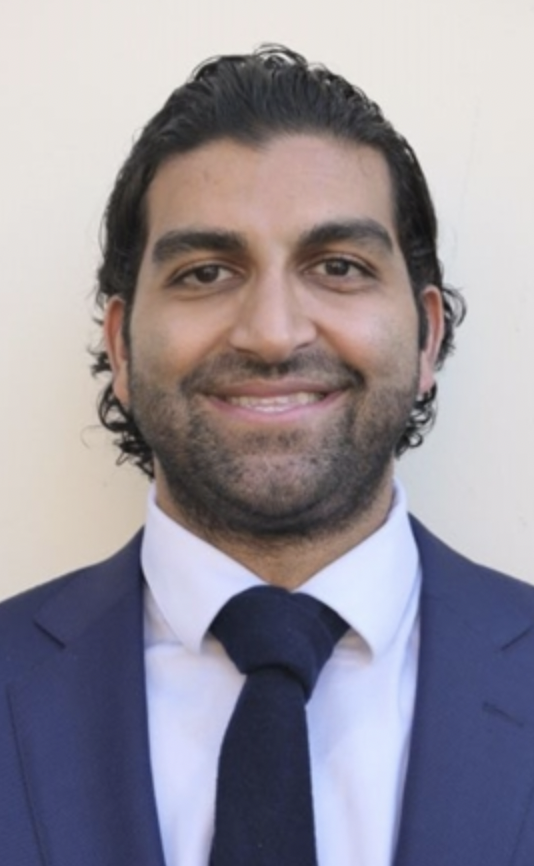
Crowns with Dr. Rickin Vibhakar, DDS
Updated November 2026 · View credentials
Rated 4.7 by Google reviewers
Active member, Kois Center
Advanced implant training, NY Implant Institute
500+ CE hours toward AGD Fellowship
At Higher Standards Dental Studio, we choose among fillings, inlays, onlays, and crowns based on how much healthy structure remains. Our team on Decatur Square explains exactly why a restoration is being recommended, so you understand the reasoning rather than simply hearing that a tooth needs to be covered.
A crown tends to become the better choice when a tooth has lost too much structure to support a smaller repair but still has a healthy foundation. Crowns are part of our broader prosthodontics services in Decatur.

of crowns still in place at 5 years*
still in place at 10 years*
with a temporary crown in between
fit, bite, and color before cementing
*2022 retrospective study of 1,037 tooth-supported single crowns in 401 patients.
The right restoration depends mostly on how much healthy tooth structure remains.
Covers: A small area of damage
More: Dental fillings
Covers: Part of the biting surface
Best when: The walls of the tooth are intact
Covers: The biting surface and one or more cusps
Best when: The walls of the tooth are intact
Covers: The entire tooth from the gumline up
Best when: Too much structure is lost for a smaller repair
When a filling takes up most of the tooth, a crown can hold what is left together.
A crown protects a tooth after root canal treatment in Decatur.
A crown covers a cracked tooth so the crack is less likely to spread.
When damage is limited and the walls of the tooth are intact, a filling, inlay, or onlay may be enough.
Crown materials include zirconia, lithium disilicate, porcelain-fused-to-metal, and all-metal. We recommend the material that balances strength, appearance, and longevity for your tooth.
Strength matters most, so durable materials such as zirconia or metal are often considered.
Appearance matters most, so materials that mimic natural translucency are often preferred.
A more durable material, sometimes paired with a night guard, helps protect the crown.
Crowns are durable, but they are not permanent. In the same study, tooth position, whether the tooth still had a living nerve, and grinding habits all influenced how long a crown lasted. The most common reasons for failure were loss of retention, tooth loss, and fracture.
We check the fit carefully before a crown is cemented.
We check how the crown meets the opposing teeth so it is not overloaded.
We discuss a night guard for patients who clench or grind.
Each pair shows the starting point and the finished result. Every mouth is different, and results vary from person to person.
When front teeth are badly broken down, post-and-core buildups can create a foundation for crowns and bridges that restore both function and appearance.
Replacing worn or oversized buildups with porcelain crowns can restore proportion, and a partial denture can be adjusted to fit the new bite.
A new crown and veneers can be planned together so front teeth match in color, shape, and size.
If a tooth cracks or breaks suddenly, reach out as soon as you can, and our emergency dentistry team can protect it while a permanent crown is planned.
We use 3D CBCT imaging, intraoral cameras, and digital impressions to plan each restoration.
We prepare the tooth and place a temporary crown to protect it while your custom crown is made.
We check the fit, bite, and color match before cementing the crown.
Dr. Rickin Vibhakar checks all three before a crown is cemented. His Kois Center training focuses on how teeth, gums, and bite work together, and he has practiced for more than 10 years, including at 60th and Park in Manhattan.
Nitrous oxide is available if longer visits make you nervous.
Active member, all advanced coursework completed
Including private practice at 60th and Park in Manhattan
CE toward Fellowship in the Academy of General Dentistry
We work with many PPO plans and can check your benefits before your visit, and we offer financing for patients whose coverage does not fully offset restorative care.
We work with many PPO plans and check your dental insurance benefits before treatment. In network with:
Ask about financing options through CareCredit and Cherry. We also accept HSA and FSA cards.
Here are answers to common questions about crowns, onlays, and fillings. For anything else, call us at (404) 577-9020.
Many crowns last for years, though lifespan varies. In one large study, about 81 percent were still in place at 10 years.
An onlay can fit when the tooth’s walls are intact and only part of the biting surface needs coverage, while a crown suits teeth that have lost more structure.
The crown itself cannot decay, but the natural tooth underneath it can, so brushing, flossing, and checkups still matter.
Most crowns take two visits. A temporary crown protects the tooth while the permanent crown is made, and at the final visit we check the fit, bite, and color match before cementing it.
It depends on where the tooth sits, how hard it bites, and how visible it is when you smile. Durable materials suit back teeth, while front teeth often call for materials that mimic natural translucency.
If you clench or grind, a night guard helps protect the crown, since grinding is one of the habits that affects how long a crown lasts.
Brush and floss around the crown every day and keep up with regular checkups. Keeping the underlying tooth and gums healthy matters as much as the crown itself.
A cracked, worn, or heavily filled tooth tends to get weaker with time, and catching it early can mean a smaller repair. We will check the tooth and explain whether a crown, onlay, or filling makes the most sense.
315 West Ponce de Leon Avenue, Suite 240, Decatur, GA 30030
Mon to Thu: 8:00am to 5:00pm | Fri to Sun: Closed
"*" indicates required fields