- 315 W Ponce de Leon Ave, Suite 240, Decatur, GA 30030
- Mon to Thu, 8:00am to 5:00pm
- (404) 577-9020
Home / Sleep Apnea & Snoring Treatment
Loud snoring and waking up tired after a full night in bed can wear on your health and your relationships. For many adults, the cause is a narrowed airway during sleep, and it is often treatable.
Google rating
active member, all advanced coursework completed
in practice, including 60th and Park in Manhattan
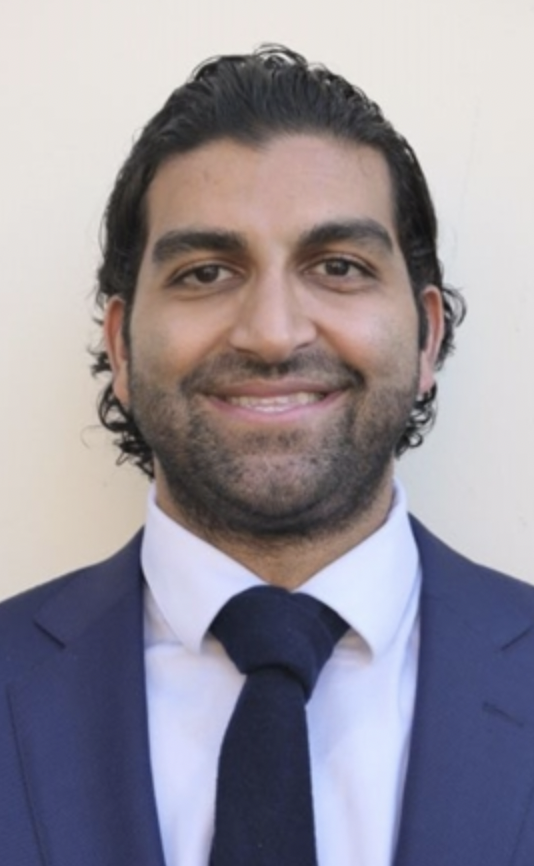
Sleep care with Dr. Rickin Vibhakar, DDS
Updated November 2026 · View credentials
Rated 4.7 by Google reviewers
Active member, Kois Center

Advanced implant training, NY Implant Institute

500+ CE hours toward AGD Fellowship
Obstructive sleep apnea happens when the soft tissues in the throat relax and block the airway during sleep. Breathing pauses many times through the night, and the brain briefly wakes you so it can restart. Most people never remember these pauses.
At Higher Standards Dental Studio on Decatur Square, Dr. Rickin Vibhakar is a Diplomate of the American Academy of Dental Sleep Medicine. He provides oral appliance therapy and works with your physician to help you sleep and breathe more easily.

American Academy of Dental Sleep Medicine
makes the diagnosis, usually after a sleep study
oral appliances planned from digital impressions
quiet, and easy to pack when you travel
If these sound familiar, ask your physician about a sleep evaluation.
Loud snoring is one of the most common warning signs of obstructive sleep apnea.
Breathing pauses can end with a gasp or choke as the brain wakes you to restart breathing.
Waking with a headache or a dry mouth can be a sign of disrupted breathing during sleep.
Daytime fatigue and trouble focusing are common when sleep is interrupted many times a night.
A CPAP machine is often the first treatment physicians recommend, and it works well when used every night. Some people find the mask, noise, or air pressure hard to live with, though.
Often: The first treatment physicians recommend
Works: Well when used every night
Drawbacks: Some people find the mask, noise, or air pressure hard to live with
For: Adults with mild to moderate obstructive sleep apnea, or those who cannot tolerate CPAP, when a physician recommends it
How: Worn like a mouthguard, it gently holds the lower jaw forward to keep the airway open
Travel: Small, quiet, and easy to pack
Dentists do not diagnose sleep apnea. A physician makes the diagnosis, usually after a sleep study, and may then recommend an oral appliance.
We review your sleep study and examine your teeth, gums, and jaw joints.
Precise scans help create an appliance made to fit your mouth.
Dr. Vibhakar adjusts the appliance for comfort and shows you how to care for it.
The jaw position moves forward in small steps over several weeks.
Your physician may order a follow-up sleep test to confirm the appliance is helping.
Small details matter. A 2023 review in Sleep and Breathing linked custom-made devices, step-by-step adjustment, clear communication, and early attention to side effects with better long-term use.
Mild jaw soreness, extra saliva, or a slightly different bite in the morning is common at first and often fades.
The appliance is small and quiet, and it packs easily when you travel.
Over time, an appliance can shift your bite, so we check the fit during routine dental exams and cleanings.
If we find signs of gum disease, gum disease treatment in Decatur may come first.
Snoring can still disrupt your sleep and your partner’s. A custom oral appliance can reduce snoring for many people by keeping the airway more open.
Loud snoring can also signal sleep apnea, so a physician should rule it out before a snoring appliance is made.
New patients in Decatur can bring recent sleep study results to their first appointment so Dr. Vibhakar can review them with you.
Sleep concerns are welcome at any visit, including routine checkups through our preventive dentistry in Decatur.
Dr. Vibhakar is a Diplomate of the American Academy of Dental Sleep Medicine, the professional organization for dentists who treat snoring and sleep apnea with oral appliances. He looks at your bite, jaw, and health history to get to the why behind waking up tired.
Dentists do not diagnose sleep apnea. A physician makes the diagnosis, usually after a sleep study. Dr. Vibhakar checks your teeth, gums, jaw, and bite to see if an appliance is a good fit, then keeps your physician updated as treatment moves forward.
American Academy of Dental Sleep Medicine
Active member, all advanced coursework completed
Including private practice at 60th and Park in Manhattan
Coverage varies by plan, and some medical plans may help cover an oral appliance once sleep apnea is diagnosed. Our team can help you review your options and explain financing.
We work with many PPO plans and check your dental insurance benefits before treatment. In network with:


Ask about financing options through CareCredit and Cherry. We also accept HSA and FSA cards.
Here are answers to common questions about snoring and oral appliance therapy. For anything else, call us at (404) 577-9020.
A dentist cannot diagnose sleep apnea, but a trained dentist can provide oral appliance therapy once a physician has made the diagnosis. Your physician stays involved in testing and follow-up care.
Snoring is the sound of soft tissue vibrating as air moves through a narrowed throat. Sleep apnea involves repeated pauses in breathing during sleep, which can lower oxygen levels and disrupt rest. Many people with sleep apnea snore, but not everyone who snores has sleep apnea.
A sleep study ordered by a physician is the standard way to diagnose sleep apnea and measure its severity. The test may take place at a sleep center or at home.
A custom oral appliance is worn like a mouthguard during sleep. It gently holds the lower jaw forward to keep the airway open.
For adults with mild to moderate obstructive sleep apnea, or those who cannot tolerate CPAP, a physician may recommend a custom oral appliance. CPAP works well when used every night, and your physician helps decide which option fits you.
Most people get used to an oral appliance within a few weeks. Mild jaw soreness, extra saliva, or a slightly different bite in the morning is common at first and often fades.
Coverage varies by plan, and some medical plans may help cover an oral appliance once sleep apnea is diagnosed. Our team can help you review your insurance options and explain financing.
New patients can bring recent sleep study results to their first appointment so Dr. Vibhakar can review them with you and see if an oral appliance is a good fit.
315 West Ponce de Leon Avenue, Suite 240, Decatur, GA 30030
Mon to Thu: 8:00am to 5:00pm | Fri to Sun: Closed
"*" indicates required fields
