Home / Endodontics
A throbbing tooth can take over your whole day, from your morning coffee to a good night’s sleep. Root canal therapy can stop that pain at the source and let you keep the tooth you already have.
Google rating
active member, all advanced coursework completed
in practice, including 60th and Park in Manhattan
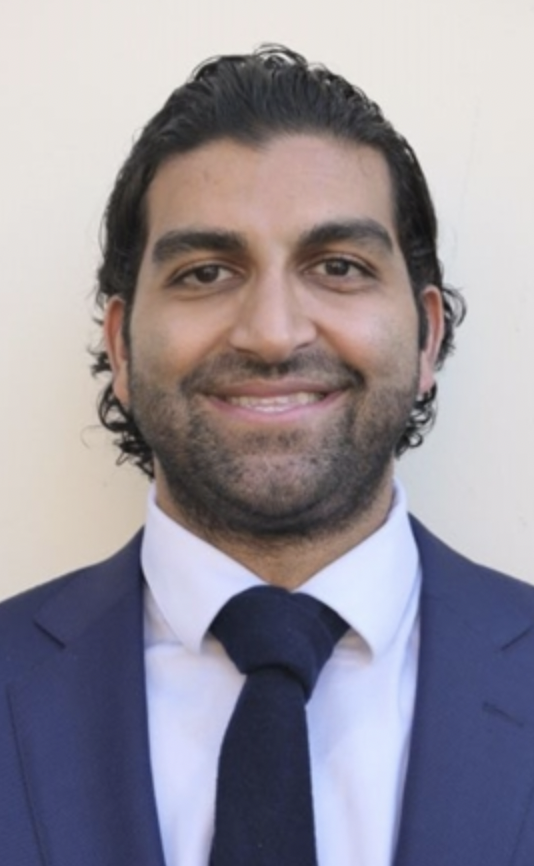
Root canal care with Dr. Rickin Vibhakar, DDS
Updated November 2026 · View credentials
Rated 4.7 by Google reviewers
Active member, Kois Center
Advanced implant training, NY Implant Institute
500+ CE hours toward AGD Fellowship
The treatment removes infected or inflamed pulp from inside the tooth, cleans the canals, and seals them to keep bacteria out. Your outer tooth stays in place, so you keep your natural root, your bite, and the bone that supports it.
At Higher Standards Dental Studio on Decatur Square, root canals are a key part of our restorative dentistry in Decatur, and every visit is built around comfort and clear answers.
of root canal treated teeth still in place after 10 years*
visits for most root canals
imaging shows the tooth and its roots
root canal and final crown planned together
*2023 study in Clinical Oral Investigations. Results vary from person to person.
Tooth infections do not always cause sharp pain.
Sensitivity to hot or cold that hangs on after the drink is gone.
Pressure pain when you bite down on the tooth.
Swelling or a small bump on the gums near the tooth.
A tooth that has turned gray or dark.
Some infections show up only on an X-ray.
If a tooth is cracked, knocked loose, or suddenly painful, our emergency dentistry in Decatur can help relieve pain quickly.
Local anesthesia numbs the area first, so most patients feel pressure rather than pain. Because we handle the final restoration in the same office, Dr. Vibhakar can plan your dental crown while the root canal is still underway.
3D CBCT scans and digital X-rays show the shape of the roots and the extent of the infection.
Local anesthesia keeps the tooth and nearby gums comfortable, and nitrous oxide is available if you feel nervous.
We remove the damaged pulp and gently clean and shape each canal.
The canals are filled with a biocompatible material and closed with a temporary filling.
A custom crown is often placed at a follow-up visit to protect the tooth.
When a tooth truly cannot be saved, Dr. Vibhakar walks you through every option so you can choose what fits your health and budget.
Keeps: Your natural root, bite, and supporting bone
Visits: One or two, then a crown
Result: 97% still in place after 10 years in one study
Bone: The jawbone under the gap can shrink
Neighbors: Nearby teeth may drift and change your bite
Replacement: A bridge or dental implant, often more time and cost
He also looks for the reason the tooth became infected in the first place, so your treatment plan can help protect the rest of your smile. He reviews your health history, explains what he found, what he recommends, and what recovery may look like, so you can decide with confidence.
Dental anxiety is common, and root canals have a reputation that can make it worse. Our studio offers weighted blankets, noise-canceling headphones, stress balls, and nitrous oxide to help you relax. We check in often during treatment, and you can raise a hand for a break at any time.

Active member, all advanced coursework completed
Including private practice at 60th and Park in Manhattan
CE toward Fellowship in the Academy of General Dentistry
We work with many PPO dental plans, and our team can check your benefits before your visit. Flexible financing is also available if you would like to spread out the cost.
We work with many PPO plans and check your dental insurance benefits before treatment. In network with:
Ask about financing options through CareCredit and Cherry. We also accept HSA and FSA cards.
These are the questions we hear most often about root canals and endodontic care. For anything else, call us at (404) 577-9020.
Most patients say a root canal feels much like getting a filling. Local anesthesia numbs the tooth, and nitrous oxide is available if you feel anxious. Mild soreness for a few days afterward is normal and usually eases with over-the-counter pain relievers.
Many root canals are finished in one visit, while teeth with curved roots or a severe infection may need two. A crown is often placed at a later appointment to protect the treated tooth.
Most people return to work or school the next day. We recommend chewing on the other side until your permanent crown is in place, and keeping up with brushing, flossing, and regular checkups to help the tooth stay healthy.
We work with many PPO dental plans, and our team can check your dental insurance benefits before your visit. Flexible dental financing is also available if you would like to spread out the cost.
Often, yes. A root canal removes infected or inflamed pulp and seals the canals, so you keep your natural root, your bite, and the bone that supports it.
Common warning signs include lingering sensitivity to hot or cold, a dull ache when you chew, swelling or a small bump on the gums, and a tooth that has turned gray or dark. Some infections cause no symptoms and show up only on an X-ray.
A missing tooth often leads to more work later. The jawbone under the gap can shrink, nearby teeth may drift, and replacing the tooth with a bridge or implant usually takes more time and costs more than saving it.
Early treatment often means a simpler fix. We will look at the tooth and its roots, explain what we find, and talk through your options before anything is scheduled.
315 West Ponce de Leon Avenue, Suite 240, Decatur, GA 30030
Mon to Thu: 8:00am to 5:00pm | Fri to Sun: Closed
"*" indicates required fields