Home / Oral Surgery / Tooth Extraction and Bone Grafting
Deciding to remove a tooth is rarely the end of the story. What happens to the bone afterward affects how easily the tooth can be replaced, so we plan the bone and the replacement before the extraction.
Google rating
active member, all advanced coursework completed
in practice, including 60th and Park in Manhattan
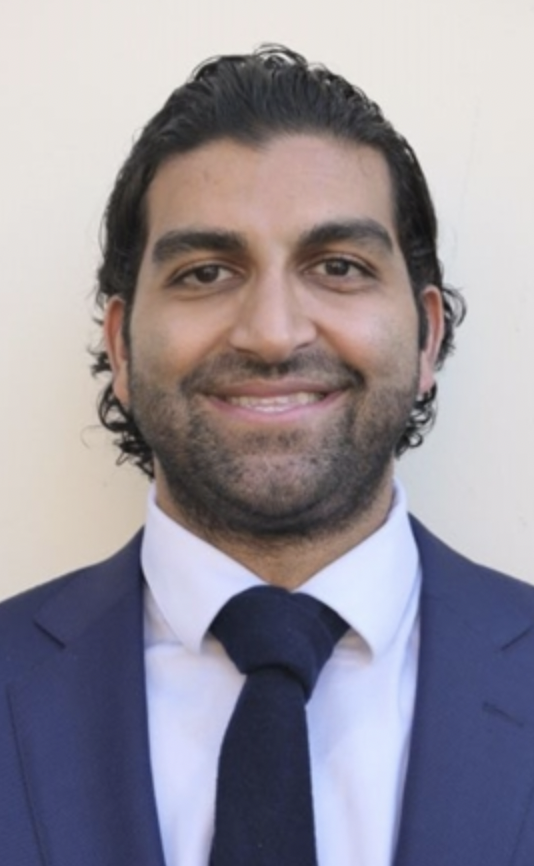
Extractions and bone grafting with Dr. Rickin Vibhakar, DDS
Updated November 2026 · View credentials
Rated 4.7 by Google reviewers
Active member, Kois Center
Advanced implant training, NY Implant Institute
500+ CE hours toward AGD Fellowship
Most teeth can be preserved with fillings, crowns, or root canal therapy, so we treat extraction as a last option after every alternative has been considered. Our team explains why a tooth cannot be saved before recommending removal, so you understand the full picture rather than feeling rushed into a decision.
When extraction is the right call, we use 3D CBCT imaging and intraoral cameras to look at the tooth, the surrounding bone, and the neighboring teeth. This care is part of our wider oral surgery in Decatur, which includes simple and surgical extractions, wisdom tooth removal, and bone grafting.

of extractions in the studies reviewed were due to decay*
were due to gum disease*
imaging shows the tooth, bone, and neighboring teeth
extraction, graft, and replacement in one office
*2022 systematic review of the reasons for tooth extraction.
That change can make it harder to place a dental implant or fit a replacement well, which is why we talk about the bone before the tooth comes out.
Also called alveolar ridge preservation, socket grafting places bone graft material in the socket at the time of extraction to help preserve the ridge for a future implant or bridge.
No. Whether you need one depends on the tooth, the bone around it, and how you plan to replace it, so we recommend a graft when your plan calls for one.
If the bone is too thin for an implant, grafting can be done when the tooth is removed or at a later visit.
Because Dr. Vibhakar places and restores implants in the same office, your extraction, graft, and replacement can be planned as one process.
A gap left unaddressed can allow neighboring teeth to drift, so we discuss replacement options early.
Replaces: The tooth root and the visible tooth
Needs: Enough healthy bone
More: Single-tooth implant
Replaces: The tooth with a prosthetic tooth
Supported by: The teeth on either side of the gap
More: Dental bridges
Replaces: Several teeth
Supported by: Implants instead of neighboring teeth
More: Dental implants
Adds: Bone at the time of extraction
When: The plan calls for it
Why: More bone is available later
Many people feel normal within a few days after a simple extraction, while surgical sites may take a week or two. If pain gets worse or swelling develops, reach out as soon as you can, and our emergency dentistry team can help.
Dr. Vibhakar explains your diagnosis, why the tooth cannot be saved, your options, and what recovery may look like.
Local anesthesia numbs the area, and a socket graft is placed at the same visit when your plan calls for one.
For the first few days, avoid smoking, straws, and hard spitting, then move on to the replacement you planned.
Because Dr. Rickin Vibhakar handles the extraction, the graft, and the replacement himself, there is no hand-off between offices. His training includes advanced implant work at the NY Implant Institute and guided bone regeneration with Dr. Matt Fein and Dr. Israel Puterman, and he explains every alternative before recommending that a tooth come out.
Nitrous oxide, weighted blankets, noise-canceling headphones, stress balls, and lip balm are available to help you relax, and you can ask for a break at any time.
Advanced implant training
Guided bone regeneration training
Including private practice at 60th and Park in Manhattan
We work with many PPO plans, and we offer financing through CareCredit and Cherry.
We work with many PPO plans and check your dental insurance benefits before treatment. In network with:
Ask about financing options through CareCredit and Cherry. We also accept HSA and FSA cards.
Here are answers to common questions about extractions and grafting. For anything else, call us at (404) 577-9020.
Not always. Whether a graft makes sense depends on the tooth, the surrounding bone, and how you plan to replace it, and imaging helps us decide.
We discuss replacement options early, since a gap left unaddressed can allow neighboring teeth to drift and complicate future treatment.
Local anesthesia numbs the area, so most patients feel pressure rather than pain, and nitrous oxide is available if you feel nervous.
Many people feel normal within a few days after a simple extraction, while surgical sites may take a week or two.
Most teeth can be preserved with fillings, crowns, or root canal therapy, so we treat extraction as a last option after every alternative has been considered.
Options include a dental implant, a bridge, or an implant-supported bridge. We map out the replacement before the tooth comes out.
For the first few days, avoid smoking, straws, and hard spitting so the blood clot stays in place. If pain gets worse or swelling develops, reach out as soon as you can.
If a tooth is broken, infected, or painful, an exam will show whether it can still be saved and, if not, what the best replacement plan looks like.
315 West Ponce de Leon Avenue, Suite 240, Decatur, GA 30030
Mon to Thu: 8:00am to 5:00pm | Fri to Sun: Closed
"*" indicates required fields